Commercial real estate is changing. Not slowly. Not eventually. Now.
Across Canada and North America, expectations around reconciliation are accelerating. Indigenous ownership is growing. Land considerations are becoming more complex. ESG is no longer optional. Clients, tenants, and partners are starting to ask different questions.
And yet, as an industry, we are behind. That’s not a criticism. It’s a reality.
For years, commercial real estate has operated without clear Indigenous engagement strategies, without workforce pathways, and without a shared understanding of what reconciliation actually means in a land-based industry. So we decided to do something about it.
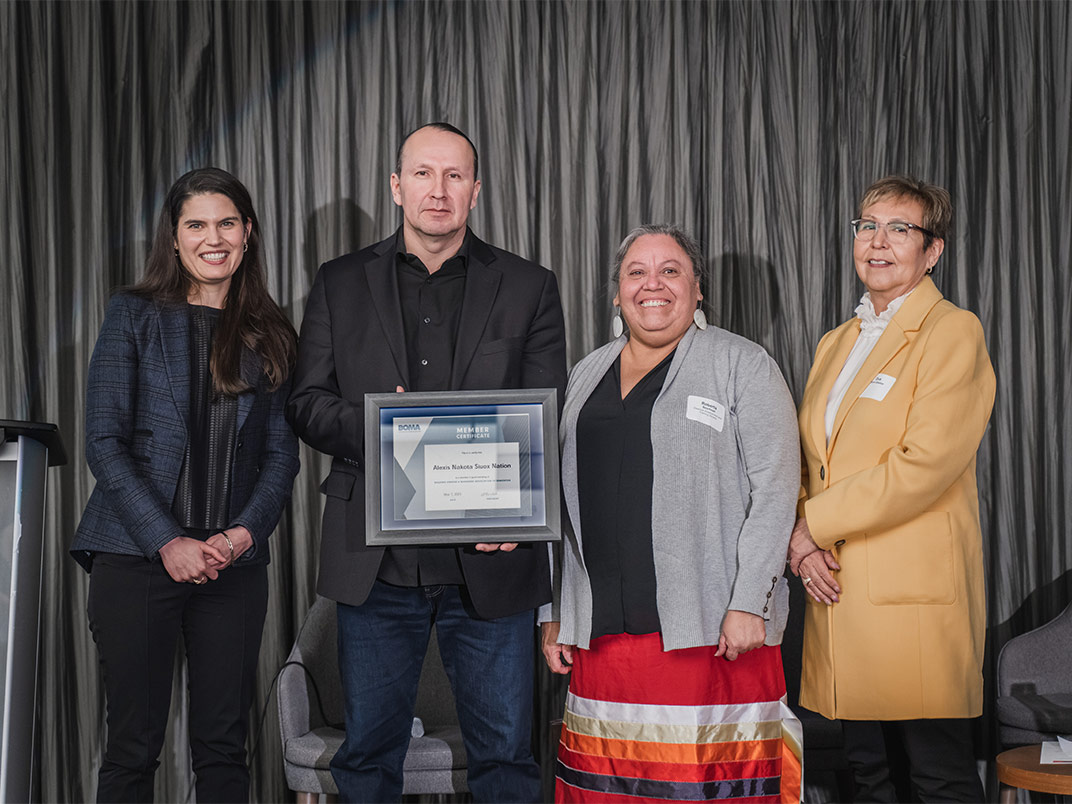
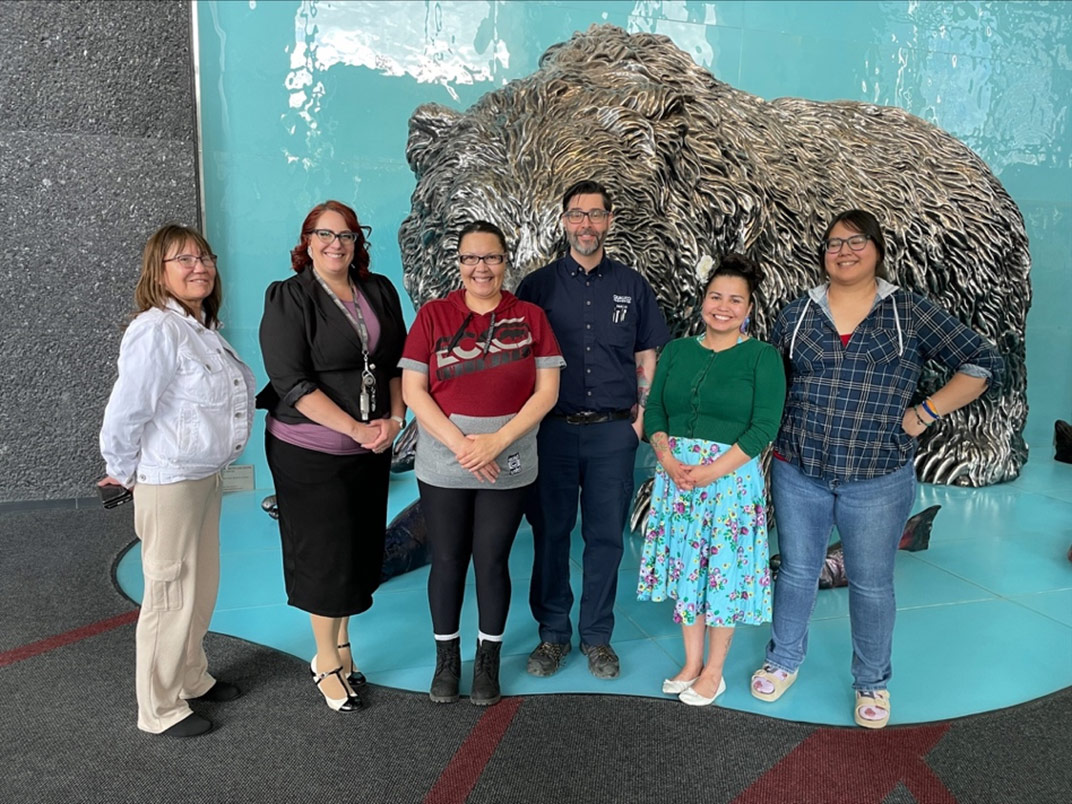
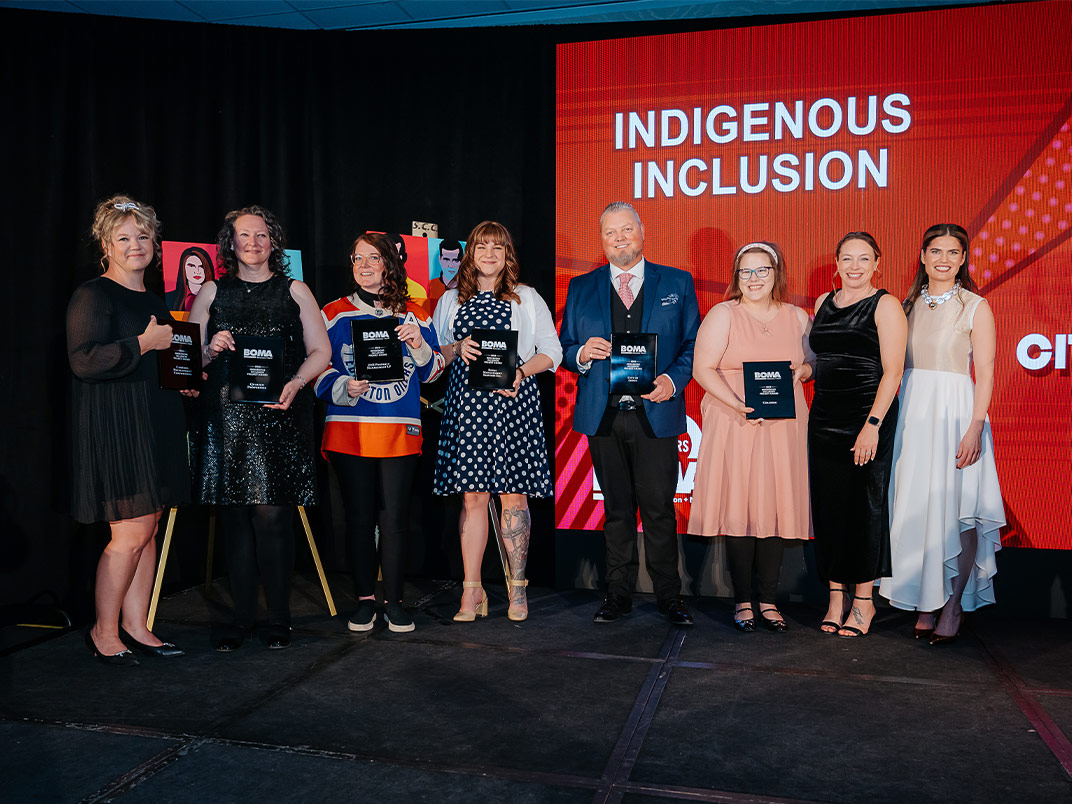
BOMA Edmonton and North, alongside Oteenow Employment and Training, and Tribal Chiefs Employment and Training Services Association (TCETSA), launched a first-of-its-kind initiative: Creating Career Pathways in Commercial Real Estate (CCPCRE).
The goal was simple, but the work was not. Figure out what it actually takes to bring Indigenous participation into this industry in a real, sustained way. Not a panel. Not a statement. Not a one-off training. A model. And we built it from scratch.
Before this project, there were no clear entry points into CRE for Indigenous job seekers. The industry was largely invisible to Indigenous communities. Most companies had little to no experience with Indigenous workforce development. And importantly, we had no data to understand why participation was so low.
The research confirmed what many suspected. Indigenous participation in CRE is low not because of lack of interest, but because of lack of awareness, access, and systemic barriers. That’s on the industry. Not the workforce.
We created a direct, supported pathway into the industry through paid internships, employer commitments, ongoing support and mentorship, and education and career advancement support.
The Result?: 4 internships and 3 full-time hires.
A 75% employment success rate in a sector that had no pathway before.
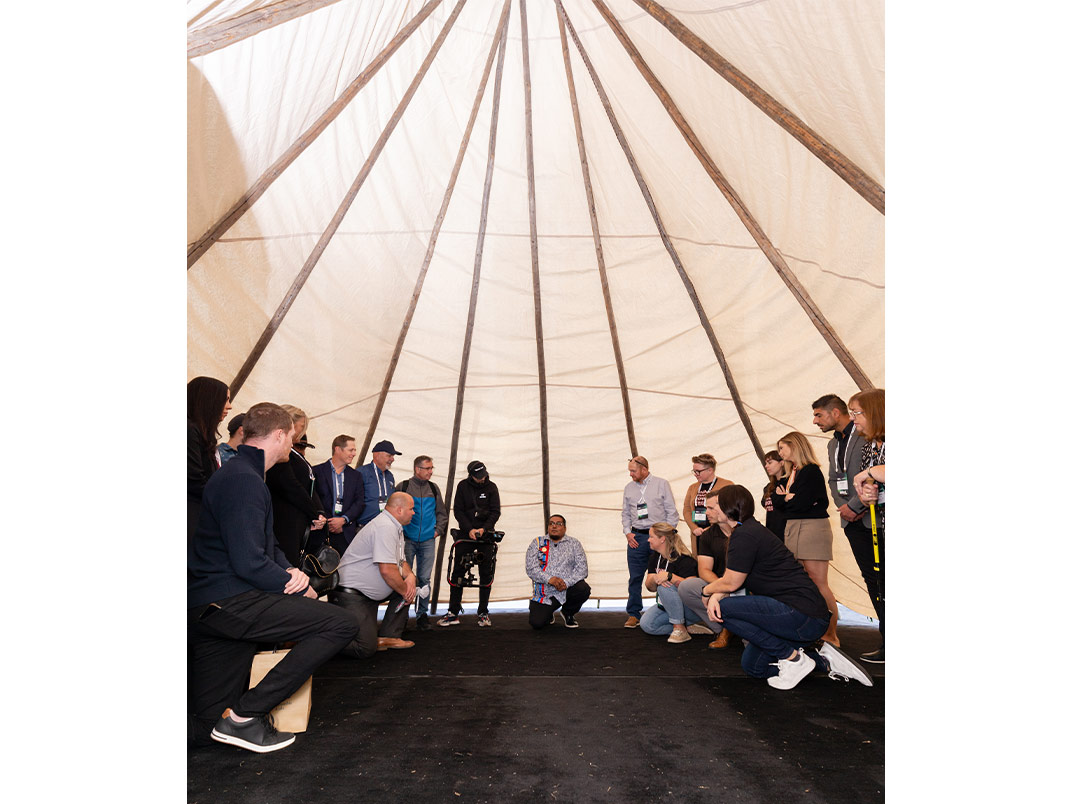
We didn’t assume companies knew how to do this. We delivered dozens of Indigenous education sessions across the sector, created space for real conversations about land, history, and responsibility, and connected reconciliation to day-to-day business decisions.
The Result: 1,400+ professionals engaged directly and tens of thousands reached across the industry.
More importantly, a shift from “this is EDI” to “this is core to how we operate.”
One industry participant reflected:
“This training provided invaluable insights into fostering meaningful partnerships and understanding the history and culture of Indigenous communities. I’m already thinking differently about how we create more inclusive and sustainable spaces.”
We commissioned the first Indigenous-focused and -led research of its kind in Canadian CRE. It did not look at individuals. It looked at systems.
It gave the industry clear, practical direction: build structured entry pathways, develop Indigenous-specific hiring strategies, invest in mentorship and retention, align with Truth and Reconciliation Commission Call to Action 92, and measure progress.
This is not just a project update. It’s a signal.
Commercial real estate is a land-based industry, and that comes with responsibilities that are becoming more visible every year.
We are already seeing Indigenous ownership increasing, urban reserves expanding, clients requiring Indigenous engagement strategies, and ESG frameworks demanding more than surface-level action. Other sectors have been preparing for this for decades. We have not.
The research and the pilot are clear. Progress doesn’t come from awareness alone. It comes from action.
What you can do:
This is not about doing everything at once. It’s about starting, intentionally.
We went into this thinking we were building a workforce program. What we actually built was something bigger: a tested model the industry can use, relationships that didn’t exist before, tools and resources to support action, and a much clearer understanding of what reconciliation in CRE actually requires.
We also learned something harder. The biggest barrier is not interest. It’s not even capacity. It’s whether the industry is willing to treat this as a priority.
CCPCRE did not solve reconciliation in commercial real estate. But it proved that meaningful action is possible, and it planted seeds for real change. It showed what works, where the gaps are, and gave the industry a path forward.
The pilot is done. The work is not. More placements are coming. More companies are stepping forward. The model can be replicated across Canada. And BOMA will continue to lead this conversation.
Five years ago, this pathway did not exist. Today, Indigenous professionals are working in our buildings, in our offices, and building careers in this industry.
That didn’t happen by accident. We built it.
Now the question is: Does the industry build on it?
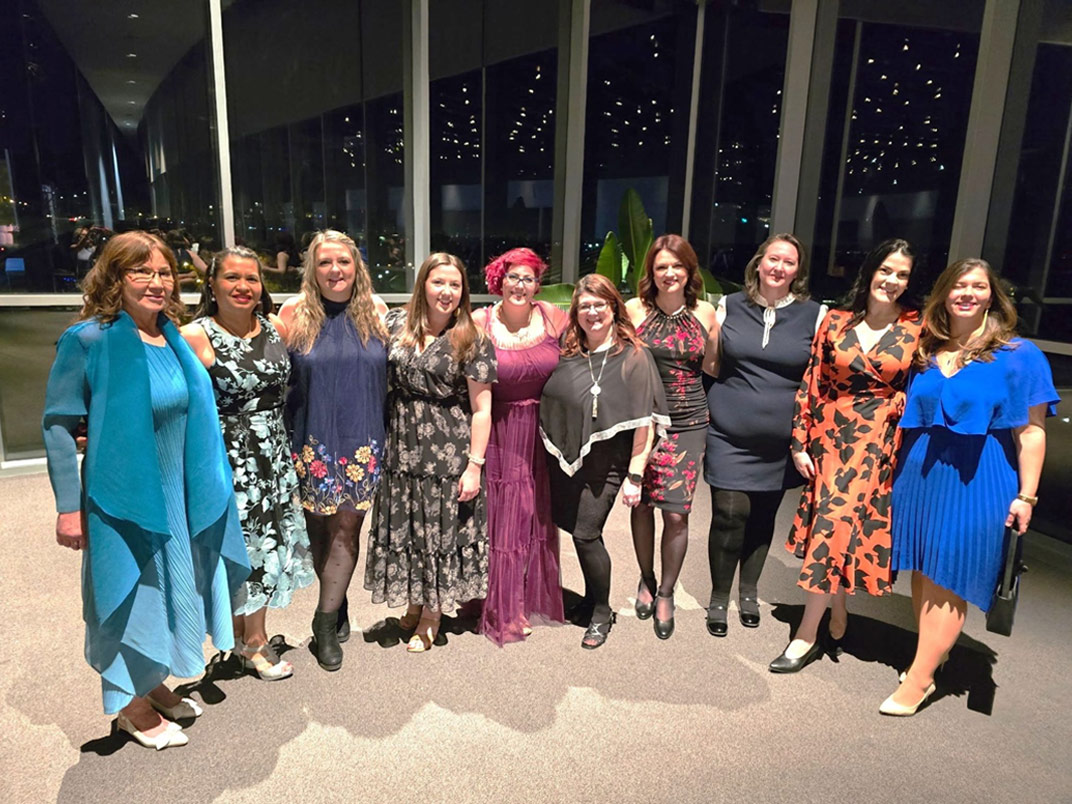
Thanks to the Alberta Real Estate Foundation for funding this project and to core partners TCETSA and Oteenow, and, of course, to all volunteers, contractors, Elders, interns, and BOMA member CRE companies for being a part of the groundbreaking CCPCRE initiative.